
When people think about retail displays, they often picture a factory floor—machines cutting corrugated board, printing graphics, and assembling displays ready for shipment.
Manufacturing is certainly important.
But it isn’t where great retail displays begin.
The truth is, the success of a retail display is determined long before the first sheet of material reaches a production line.
Every successful display starts with engineering.
The decisions made during engineering determine how a display performs during transportation, how easily it is assembled in stores, how effectively it presents products, and ultimately how well it supports retail sales.
Production builds the display.
Engineering determines whether the display succeeds.
Great Displays Are Engineered Before They’re Manufactured
Retail displays are expected to do much more than simply hold products.
They need to survive shipping, comply with retailer requirements, support merchandising, attract shoppers, and remain functional throughout a promotion.
None of those outcomes happen by accident.
They are the result of careful engineering decisions made early in the development process.
Instead of asking:
“How should we manufacture this display?”
Experienced retail display teams ask:
“How will this display perform throughout its entire retail journey?”
Structural Design Determines Performance
The structure of a retail display influences nearly every stage of its lifecycle.
A well-engineered structure should:
- Support the weight of the product
- Maintain stability during transportation
- Be easy to replenish
- Create an attractive product presentation
- Meet retailer requirements
Structural design is about much more than appearance.
It directly affects durability, merchandising efficiency, and long-term performance in the store.
For brands developing Custom Retail Display Solutions, structural engineering is one of the most important investments they can make.
Packaging Integration Starts at the Engineering Stage
One of the most common mistakes brands make is designing packaging and displays independently.
When engineering teams consider packaging integration from the beginning, they can reduce unnecessary costs and avoid common problems such as:
- Products that don’t fit the display properly
- Inefficient packing configurations
- Higher shipping costs
- Longer assembly times
- Poor shopper presentation
Engineering is where packaging and displays become one integrated retail solution—not after production begins.
Transportation Is Part of Display Design
A display may look perfect in a rendering.
But can it survive the journey to the retailer?
Transportation is one of the most overlooked parts of retail display development.
Engineering teams should evaluate:
- Shipping efficiency
- Pallet configuration
- Compression strength
- Material selection
- Protective packaging
- Distribution requirements
If a display arrives damaged, everything that follows—merchandising, shopper engagement, and sales—is already compromised.
Engineering protects the retail experience before the display even reaches the store.
Assembly Should Be Designed, Not Improvised
Store associates don’t have unlimited time to assemble displays.
If setup is complicated, mistakes happen.
Displays may be assembled incorrectly—or worse, never assembled at all.
Smart engineering simplifies the process.
A well-designed retail display should:
- Require minimal tools
- Include intuitive assembly steps
- Reduce setup time
- Improve consistency across stores
For large retail programs, every minute saved during setup can make a meaningful difference across hundreds or thousands of locations.
Store Execution Begins Before Production
Many brands think retail execution starts when products arrive at the store.
In reality, retail execution begins during engineering.
Engineering decisions influence:
- Display stability
- Product accessibility
- Replenishment efficiency
- Retail compliance
- Merchandising consistency
When engineering is done well, store execution becomes smoother, faster, and more reliable.
This is particularly important for Club Store Displays, where operational efficiency is just as important as visual impact.
Shopper Experience Is the Final Test
Everything that happens before production ultimately serves one purpose:
Creating a better shopper experience.
A display that is easy to transport, simple to assemble, and structurally sound allows shoppers to focus on what matters most—the product.
Good engineering creates:
- Better visibility
- Easier product access
- Cleaner merchandising
- Stronger brand presentation
- Improved sell-through
The shopper may never notice the engineering behind a display.
But they will notice the results.
Engineering Is the Difference Between Making a Display and Building a Retail Solution
Manufacturing turns designs into physical displays.
Engineering turns retail objectives into successful retail programs.
The most successful brands don’t view engineering as a technical step.
They view it as a strategic advantage.
By considering structure, packaging integration, transportation, assembly, and store execution before production begins, brands can reduce costs, improve retail performance, and create better experiences for both retailers and shoppers.
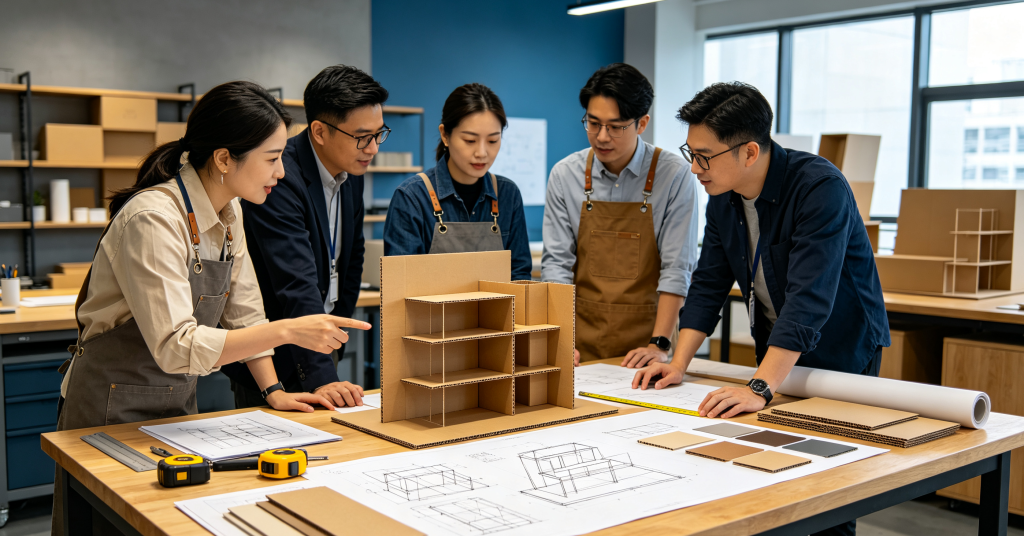
Great retail displays aren’t built in factories.
They’re built through engineering decisions made long before production begins.
The strongest retail programs begin with thoughtful planning, intelligent structural design, and a clear understanding of how a display will perform throughout its entire retail journey.
Because great engineering doesn’t just produce better displays.
It creates better retail outcomes.
Why is retail display engineering important?
Retail display engineering ensures displays are structurally sound, efficient to transport, easy to assemble, and effective in retail environments.
What is packaging integration?
Packaging integration is the process of designing packaging and retail displays together to improve shipping efficiency, merchandising, and retail execution.
Why should transportation be considered during display design?
Transportation affects display durability, shipping costs, and product condition upon arrival. Engineering helps ensure displays arrive ready for retail.
What makes a successful retail display?
A successful retail display combines strong engineering, structural integrity, efficient assembly, effective merchandising, and a positive shopper experience.
Build Better Retail Displays from the Engineering Stage
At SDPOP, we believe successful retail displays begin long before production. From structural engineering and packaging integration to manufacturing and retail execution, we help brands develop display solutions designed for real-world retail success.
Contact our team to discuss your next retail display project.